

In this article
- What does it mean to get a callback?
- How to prepare for a callback: 6 tips
- 1. Keep the essence of your first audition
- 2. Wear the same look
- 3. Manage your nerves
- 4. Show your range if they ask for it
- 5. Find out whether the callback pays
- 6. If you don’t book it, the callback still counts
- Frequently asked questions
Quick answer: What is a callback? It’s the second round of auditions, where the casting team brings back its shortlist before the final decision. Getting one is a great sign, because your audition stood out. The role is still up for grabs, though, so it pays to prepare well.
The name says it all. They call you back for another look. A callback is one stage of casting, the process that runs from the casting call to the final choice. If those two terms blur together, here’s the difference between casting and an audition.
Plenty of actors may audition in the first round. From that crowd, the casting director and the creative team pick a small group, the people closest to what they have in mind for the character. Those are the actors who get a second call.
What does it mean to get a callback?
It means something about you caught the director’s attention: your look, your acting, your energy or the way you inhabited the character. Whatever it was, they want to see it again. Few pieces of news in the casting process feel better.
Still, a callback isn’t the role yet. You’re in the home stretch, up against a much smaller group of actors who also made it past the first round. The decision is still open. Depending on the production, more rounds may follow before the final choice, such as a chemistry read with other actors.
So what changes between the first audition and the callback? Here are the two rounds side by side:
| What changes | First audition | Callback |
|---|---|---|
| Who watches | The casting director, often through a self-tape or a pre-read | Usually the director and producers, along with casting |
| How many actors | Plenty | A small group, the shortlist for each role |
| What they ask for | The scene from the casting call | That scene with adjustments, new emotions or an improv, sometimes opposite other actors |
| What to wear | Whatever the casting call asks for | The same look as your first audition |
| What it means | Your submission caught their eye | You’re in the home stretch, but the role is still open |
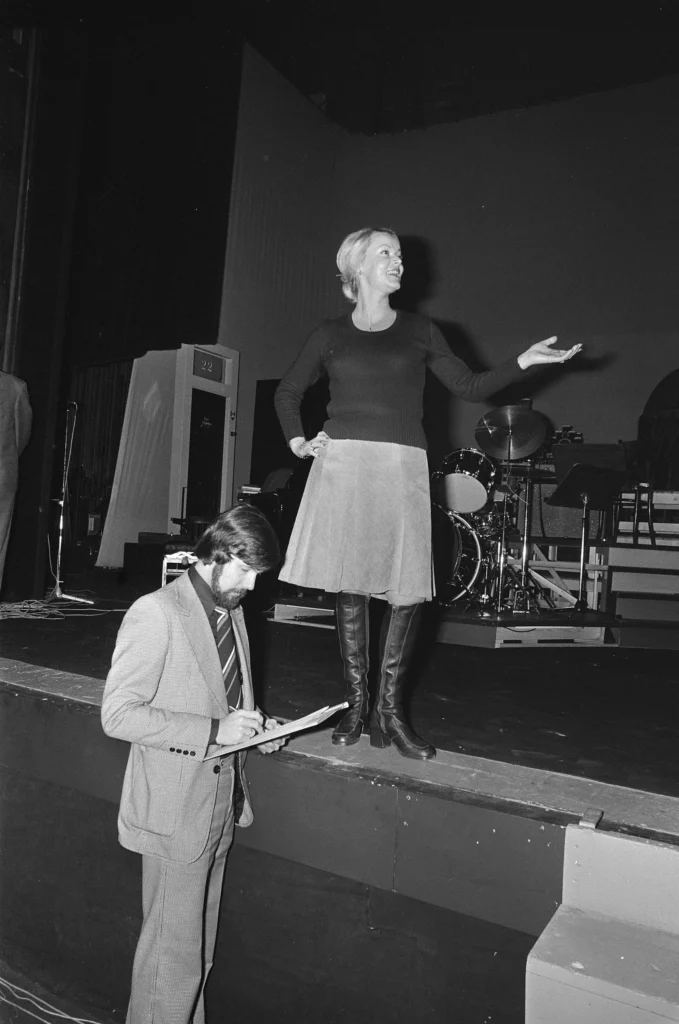
How to prepare for a callback: 6 tips
Everything that works for any audition applies here too, and these audition tips cover the basics. A callback adds one rule of its own. What you did in the first round already worked, so your job now is to build on it.
1. Keep the essence of your first audition
This is the most important tip. They called you back because they liked something you did. Resist the urge to surprise them with a completely different take. Instead of throwing out what you showed and starting from scratch, deepen it and refine it.
2. Wear the same look
If you can, repeat the outfit and hairstyle from the first round. The casting team has an image of you in mind and wants to confirm it. A drastic change can disconnect them from that memory.
The same goes for a remote callback where they ask for a video. Same outfit, same hair, same energy. To make the recording work in your favor, follow the steps to record a self-tape.
3. Manage your nerves
A callback often makes you more nervous than the first round, because being this close adds pressure. Before you go in, breathe and warm up your body and voice. Then remember that you earned your spot. They already picked you once.
4. Show your range if they ask for it
At a callback, they may ask you to play the same scene a different way, explore other emotions or improvise. That doesn’t mean your first version was wrong. The director wants to see your range and how you take direction. So stay open, and if improvising is hard for you, practice with these tips to improvise in an audition.
5. Find out whether the callback pays
It depends on the country, the contract and the type of job. In Argentina, for example, a commercial callback earns you a fee even if you don’t book the job, as long as the casting team called you in. The collective agreement of the Asociación Argentina de Actores y Actrices (AAA), the country’s actors’ union, sets that rule, and its pay scale fixes the amount.
In the US, union contracts have their own audition rules. If you’re a member of SAG-AFTRA, check with your agent or the union. Otherwise, ask the agency or the production before you go. Our guide to commercial auditions has more details.
6. If you don’t book it, the callback still counts
Missing out after a callback is far from a failure. You made it to the final round of a competitive process. Now the casting director knows your face and your work, and may keep you in mind for future projects. In the meantime, keep submitting to other open casting calls.
Tip: After a callback, whatever the outcome, send the casting director or the agency a short thank-you note. Keep it professional. It’s a simple gesture that builds long-term relationships in the industry.
Frequently asked questions
What is a callback in acting?
It’s the second round of auditions. The casting team brings back its favorites from the first round, then takes a closer look and decides who gets the role. Getting one means your look and your work fit what they want.
Does a callback pay?
It depends on the country, the contract and the job. In Argentina, commercial callbacks pay under the actors’ union agreement, even if you don’t book the job, as long as they called you in. In the US, union contracts set their own audition rules, so ask your agent, SAG-AFTRA or the production.
How do I prepare for a callback?
Keep the essence of your first audition, because that’s what the casting team liked. Bring the same look and core interpretation, with more depth and confidence. Be ready to try changes if they ask, and remember they already picked you once.
How many actors go to a callback?
There’s no set number, because every project is different. Still, only the shortlist for each role comes back, so the group is much smaller than in round one. That alone makes a callback an achievement.
If I get a callback, do I have the role?
You’re close, but the role isn’t yours yet. The decision is still open, and other shortlisted actors may be up for the same part. Even so, it confirms that your look and your work fit the character.
What should I do if I don’t book the role after a callback?
Take it as a step forward. You reached the final round, and the casting director now knows your work. Send them (or the agency) a short thank-you note, keep your materials up to date and keep submitting. They may remember you for another project.
Books to go deeper
-
True and False
David Mamet A short, provocative book: David Mamet argues for saying the words, playing the action and letting go of forced emotion. See it on Amazon -
The Art of Acting
Stella Adler Stella Adler's classes, edited by Howard Kissel: imagination, given circumstances and the size a performance needs. See it on Amazon -
The Power of the Actor
Ivana Chubbuck Ivana Chubbuck's 12 steps for breaking down a scene, built for film and TV. Great prep for auditions. See it on Amazon
Each book takes you to Buscalibre or Amazon, depending on your country. Some of these are affiliate links: if you buy through them, Casting and Acting may earn a commission at no extra cost to you. As an Amazon Associate, Casting and Acting earns from qualifying purchases.
What did you think?




Comments
Join the conversation
Create a free account or log in to comment and earn +15 XP.