In this article
- Is talent enough to be an actor?
- Are there successful actors who skipped acting school?
- What acting school gives you
- 1. Solid technique you can take to any role
- 2. Industry contacts
- 3. Credibility with the people running auditions
- 4. Versatility
- 5. First work opportunities
- The downsides of acting school
- Can’t afford acting school? How to train anyway
- Ways to train at a glance
- Is acting school worth it?
- Frequently asked questions
Quick answer: you don’t need acting school to work as an actor. Training is another matter, because it’s what sustains a career. It speeds up your development, opens doors and gives you tools that are hard to pick up alone. If you can’t pay for a school right now, free and affordable options can get you started.
Few questions split the business like this one. Some people doubt that an acting school is worth what it costs. Others can’t afford one, and some believe natural talent will be enough.
Both sides have good arguments, and the answer depends on what you mean by studying. If you’re just starting out, our guide on how to become an actor lays out every step, from training to your first auditions.
Is talent enough to be an actor?
Natural talent is a good starting point. On its own, though, it rarely sustains a professional career. Auditions are competitive, and in a tryout the people choosing look for technique, versatility and professionalism on top of natural ability.
You’ll hear it all the time: “I have natural talent, I don’t need to study.” Innate talent is a real advantage. Believing it’s enough by itself, however, usually ends in frustration.
Think of music. Someone talented who never studied can play by ear and even improvise beautifully, yet they’re unlikely to make it into a symphony orchestra or compose a movie score. Acting works in a similar way. Talent can take you to the door, and technique lets you walk in and stay.
Still doubting your abilities? Here’s how to know if you have acting talent.
Are there successful actors who skipped acting school?
Yes. Some actors with major careers never went through a formal school, often because they started very young in television or film and learned the craft on set.
People tend to overlook one detail when they cite those cases. Almost all of them trained some other way. They worked with private coaches, took intensive seminars or had mentors in the business who guided them.
So the useful question changes. Instead of “Do I need an acting school?”, ask yourself “Do I need training?” The answer to that one is always yes. Experience trains you too, and a lot, so check out how to get acting experience as a beginner.
What acting school gives you
Good training hands you tools that are very hard to build on your own. These are the biggest ones.
1. Solid technique you can take to any role
At a school you work with methods actors have relied on for decades, like those of Stanislavski, Meisner, Strasberg or Lecoq. They give you concrete resources for any character or dramatic situation, so you don’t depend only on the inspiration of the moment.
2. Industry contacts
Studying puts you in touch with teachers, directors, other actors and people from the industry. Many opportunities come from the connections you make in training. The person sharing your class today could direct their first play tomorrow and cast you.
3. Credibility with the people running auditions
Training has its own section on your acting resume, and whoever reads it looks there. Where and with whom you trained speaks to your commitment to the craft. Our guide to making an acting resume shows you how to present it.
4. Versatility
In class you work on texts from different genres, eras and styles, from comedy and drama to classical and contemporary theater, realism and absurdism. That variety makes you more versatile, which counts for a lot when someone puts a cast together.
5. First work opportunities
Some schools get calls from production companies, agencies or film students looking for a cast. Many also close the year with showcases open to the public. That way, studying can be your first contact with real work before you even finish. Meanwhile, you can go out for open theater castings and put what you learn into practice.
The downsides of acting school
Formal training has limits too, and you should know them before you sign up.
- The cost. A quality private school can be expensive, especially in big cities, and for many people that’s a real barrier.
- Uneven quality. Some schools are excellent and others leave you with little. Before you enroll, find out who teaches, what method they use and whether you can take a trial class.
- Time. A full program at a theater school usually takes two to four years, which is hard to combine with a job or a family. Worried about starting later in life? See the best age to become an actor.
- The risk of losing naturalness. Training that’s too rigid can make you sound or move in an artificial way. Good training looks for a balance between technique and truth.
Can’t afford acting school? How to train anyway
A lack of money doesn’t have to cut your path short. You can train without a big investment in several ways.
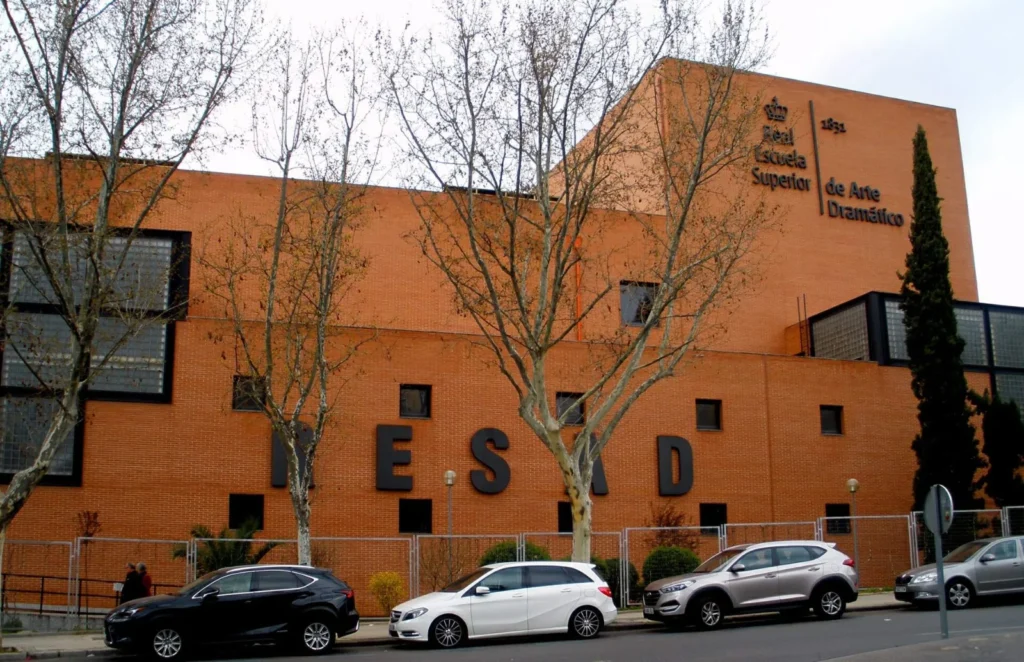
- Public theater schools. Many Spanish-speaking countries have public conservatories and drama schools that are free or charge low fees. Most have an entrance exam, so look up the dates and requirements in your city. For Mexico and Argentina, we gathered them with costs and dates in acting schools in Mexico and acting schools in Argentina.
- Municipal workshops and cultural centers. Many offer free or very affordable theater and acting workshops.
- Community and independent theater. Joining a group is an excellent way to learn and gain experience without spending.
- Online resources. YouTube and other platforms have free classes and exercises, plus a wealth of acting material in English. Wondering how much language matters for an acting career? Our guide to bilingual actors covers it.
- Scholarships and grants. In some countries, culture agencies and foundations offer scholarships for artistic training. Check the open calls where you live.
Just don’t let a lack of resources become your excuse for not starting. There’s always some way to train, even with very little.
Ways to train at a glance
So you can compare your options, this table sums up how long each path takes and what it costs.
| Path | How long | Cost | Good to know |
|---|---|---|---|
| Public school or conservatory | Two to four years | Free or low fees | Most have an entrance exam, so check the dates |
| Private school | Two to four years | Can be expensive, especially in big cities | Ask for a trial class before you pay |
| Workshop or short course | A few months | Free or affordable at cultural centers | Gives you a base to start |
| Community or independent theater | Open-ended | Free | You learn while you gain experience |
| Online resources | At your own pace | Free | Best when you pair them with real practice |
Is acting school worth it?
In most cases, yes. More than an expense, it’s an investment in your career. Even so, the quality of the training matters more than the price or the prestige of the institution.
Here’s the short version. A school is optional, since you don’t need a degree to work as an actor, but training is what builds a lasting career. Formal training gets you there faster and gives you credibility. If you can’t pay for a school, the alternatives above are real and they work. And talent alone isn’t enough, because technique and experience weigh just as much.
In this video (in Spanish), we go over the pros and cons of studying acting and give our take on whether it’s really worth it.
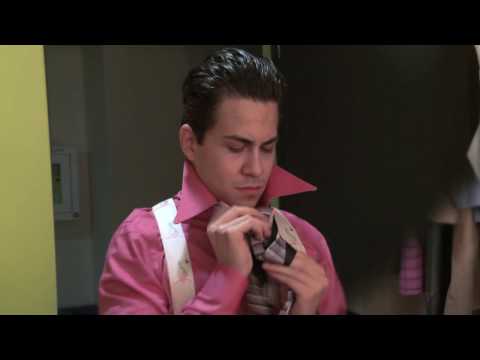
For a take in English, watch this 2017 video from Center Theatre Group, a theater company in Los Angeles. Actor Oscar Camacho, from its 2017 revival of Zoot Suit, talks about earning his MFA in acting at CalArts. Then he tells how he landed his big break during his first year out of grad school. It was a role on the ABC series Wicked City. He also shares advice for anyone who wants to act.
Frequently asked questions
Is it mandatory to study acting to be an actor?
You don’t need a degree to work, but training matters. Whether at a school, in workshops or with a coach, it’s the most efficient way to build what auditions ask of you.
How much does it cost to study acting?
It depends on the country, city and type of institution. Private school fees vary widely, while public theater schools, municipal workshops and cultural centers offer free or affordable options. Compare programs before you pay.
Can I be an actor without studying acting?
Yes, although the path is harder. Actors without formal training almost always learned another way, with private coaches, years on set from a young age or mentors in the business.
What should you study: theater or acting for film and TV?
The two complement each other. Theater works on stage presence, voice, body and sustaining a performance in real time. On-camera acting works on subtlety, because the camera picks up everything. If you have to pick, start with the one closest to your goals.
How long does it take to study acting?
A full program at a theater school or conservatory usually lasts two to four years. Workshops of a few months give you a starting base, and many actors keep taking classes and seminars throughout their careers.
Are there free acting courses online?
Yes. YouTube and other platforms offer free classes, exercises and monologue techniques, and we publish free guides to becoming an actor. Pair them with real practice and, when possible, a teacher’s feedback.
Is it worth paying for an expensive acting school?
Price doesn’t guarantee quality, so check the teachers’ track record, how much acting happens in class and the school’s ties to the industry. Then ask former students and try a class before committing.
Books to go deeper
-
The Actor and the Target
Declan Donnellan For when you get stuck: Declan Donnellan explains where fear and tension come from and how to put your attention back outside yourself. See it on Amazon -
Sanford Meisner on Acting
Sanford Meisner Sanford Meisner's course, class by class: repetition, really listening to your partner and acting on impulse. See it on Amazon -
My Life in Art
Konstantin Stanislavski Stanislavski's memoir: his amateur years, the Moscow Art Theatre and the mistakes his system grew out of. See it on Amazon
Each book takes you to Buscalibre or Amazon, depending on your country. Some of these are affiliate links: if you buy through them, Casting and Acting may earn a commission at no extra cost to you. As an Amazon Associate, Casting and Acting earns from qualifying purchases.
What did you think?



Comments
Join the conversation
Create a free account or log in to comment and earn +15 XP.