In this article
- What age can you become an actor?
- Your goal as an actor matters more than your age
- If you want to be a professional actor
- If you want to act as a hobby
- If you want to gain recognition
- If you want to try acting
- What to do at your age to become an actor
- Ages 6 to 12: spontaneity and imagination
- Ages 13 to 17: identity and emotional depth
- Ages 18 to 25: takeoff
- Ages 26 to 40: maturity and professionalism
- Age 40 and up: experience and depth
- What to do at each age, at a glance
- Is it too late to become an actor at your age?
- Frequently asked questions about the best age to become an actor
- What is the best age to become an actor?
- Can you become an actor at age 30, 40 or 50?
- At what age can you start taking acting classes?
- Is it true that the younger you start, the easier it is to succeed?
- What do I do if I want to start acting as an adult?
- Is there a difference between starting young to be a professional and starting as a hobby?
- Are there famous actors who started late?
Quick answer: the best age to become an actor is the age you are right now. You can start in childhood, in your teens, in adulthood or after 50. What changes with age is the path, not the possibility. And that path depends on your goal. You might want to act professionally or as a hobby, gain recognition or simply give it a try.
Are you 10 and want to act? Are you 35 and only now working up the courage? Or are you 50 and have always dreamed of stepping onto a stage? Whatever your case, you’re in time.
Age is one of the questions we get most, and the answer tends to surprise people. Starting at 8, at 20 or at 50 isn’t the same, but age is never a barrier. For the full picture, from training to your first auditions, see our guide on how to become an actor.
What age can you become an actor?
Any age. The idea that the younger you start, the better, is a myth. Starting early gives you more time to train, but it doesn’t guarantee more success or more talent. Some actors started after 30, 40 or even 50.
That myth creates two opposite problems, and both are paralyzing.
- Many adults believe it’s already too late and that, without having started young, they have no chance in the business.
- Many young people feel unnecessary pressure to start right away, even if they aren’t ready or sure they want it.
Both extremes are wrong. Acting is one of the few art forms where life experience (loves, losses, failures, joys) becomes a direct creative resource. A 50-year-old has emotional material that a 20-year-old hasn’t had time to build up yet.
So the age you start at doesn’t define the result. Consistency, training and knowing what you’re after weigh much more.
Your goal as an actor matters more than your age
Before you think about your age, ask yourself what you want from acting. Few people do, and yet your goal defines the path and makes the age question much easier to answer. There are four main goals.
If you want to be a professional actor
Making a living from acting in film, television or theater is the more demanding path. It takes solid training, professional materials, contacts and a lot of persistence.
Starting young gives you more time to train and gain experience, but it isn’t decisive. Some people started at 25, 30 or later and still built a career. For your first projects, see how to get acting experience as a beginner.
If you want to act as a hobby
When acting is a passion you want to explore without making a living from it, age hardly matters. There are theater workshops for kids, teens, adults and older people. And what acting gives you (enjoyment, confidence, a group) doesn’t depend on your age or your level.
If you want to gain recognition
Here, consistency and visibility weigh more than the age you start at. Recognition can come in very different ways. It might be a role in a major production, a performance that goes viral or years of work that build a reputation. None of those paths has an age limit.
If you want to try acting
To find out whether acting is for you, the best time is now, whatever your age. An introductory workshop, a trial class or a community theater group is enough to test it without big commitments. And if doubt is holding you back, read how to know if you have acting talent.
What to do at your age to become an actor
Each stage has its own advantages and challenges. None of them is a bad time to start, because each one brings different resources to acting.
Ages 6 to 12: spontaneity and imagination
In childhood, the big advantage is spontaneity. The blocks and prejudices that build up over the years haven’t appeared yet, and imagination is a powerful tool. At this age, training should feel like a game, with no pressure for results. Think children’s theater, movement and improvisation.
If the child also wants to work on productions, everything goes through the parents or legal guardians. They authorize, accompany and supervise every step, as we explain in our guide to auditions for kids and teens.
Ages 13 to 17: identity and emotional depth
Adolescence is one of the richest stages for training. The emotional intensity of those years, channeled with technique, produces performances of surprising authenticity. It’s also a good time to start more structured training if you’re thinking about a career.
Some casting calls look specifically for teenagers for youth series, movies and commercials. To apply, you’ll need the permission and company of your parents or legal guardians.
Ages 18 to 25: takeoff
Many actors make the professional leap at this stage. You have time ahead, and your energy and availability tend to be high. Theater schools, conservatories and college programs are also within reach. So invest in training, put your materials together and meet people in the business. There’s a lot of competition, but also a lot of opportunity.
Not sure a school is right for you? Read whether you need acting school and what alternatives you have.
Ages 26 to 40: maturity and professionalism
Contrary to what many people believe, this is a very rich stage to start. Accumulated experience, emotional maturity and work discipline are huge assets in acting. What counts is training intensively and having a clear strategy for getting into the business.
Age 40 and up: experience and depth
It’s never too late to start acting. Stories need characters of all ages, and the life experience of someone who is 40, 50 or 60 is a unique acting resource. If you want to enjoy yourself and explore, age isn’t a factor. And if your goal is professional, there are real paths too.
What to do at each age, at a glance
If you want the short version, this table sums up what each stage gives you and a good first step.
| Age | What works in your favor | Where to start |
|---|---|---|
| 6 to 12 | Spontaneity and imagination | Children’s theater, movement and improv, as long as it feels like a game |
| 13 to 17 | Emotional intensity | More structured training, as well as your parents’ permission for auditions |
| 18 to 25 | Time, energy and availability | A theater school, a conservatory or a college program, while you build your materials |
| 26 to 40 | Maturity, experience and discipline | Intensive training and a clear plan for getting into the business |
| 40 and up | Life experience | A workshop for fun or, if you want to go pro, auditions that fit your profile |
Is it too late to become an actor at your age?
It is never too late. What your age changes is the path you have to travel, not the possibility of getting there. Children and teens have spontaneity, while young adults have energy and time to train. Adults bring maturity and life experience, and later in life comes an authenticity nobody can fake.
London’s Royal Academy of Dramatic Art (RADA) also sees it this way, and the FAQ for its acting degree says so plainly.
“There is no upper age limit to apply and we welcome applications from people of all ages over 18.”
Source: RADA, “BA (Hons) in Acting.”
The best age to become an actor is the one you have right now. The next step is concrete. Sign up for a workshop, build experience and apply to open castings that look for your profile.
On our YouTube channel, this video (in Spanish) walks you through what to do depending on your age.
If you’d rather watch something in English, this 2022 Tea with BAFTA chat shows a late start up close. British actress Joanna Scanlan first talks about her role in After Love, which earned her a nomination that year. Then, in the second half, she explains how she decided to go professional at 30, after years of teaching drama. She also recalls an actress in her 90s who hadn’t started acting until her 60s.

Frequently asked questions about the best age to become an actor
What is the best age to become an actor?
The one you have when you make the decision. Each stage brings something of its own: spontaneity in childhood, emotional intensity in adolescence, maturity and life experience in adulthood. Later on comes a depth that only years can give. What changes with age is the path.
Can you become an actor at age 30, 40 or 50?
Yes. Some actors started after 30, 40 and even 50 and built solid careers. Emotional maturity and life experience are valuable resources on stage. Stories also need characters of all ages, so there are casting calls for adults and older actors too.
At what age can you start taking acting classes?
From childhood. Theater and expression workshops for kids use play-based approaches. For adults there’s no maximum age, and you’ll find groups for beginners of all ages. What matters is choosing a place or a teacher whose methods suit your stage.
Is it true that the younger you start, the easier it is to succeed?
Not exactly. Starting young gives you more time to train and gain experience, but it doesn’t guarantee success. In fact, some very well-known actors started late. Consistency, the quality of your training, perseverance and the opportunities you create weigh much more than your starting age.
What do I do if I want to start acting as an adult?
Start with a workshop or a school that has groups for adult beginners. While you train, build experience in plays and short films. Put together your photos (you can take your headshots at home) and a video, then go out for auditions in your area. Waiting until you have everything figured out only holds you back. Confidence comes with practice.
Is there a difference between starting young to be a professional and starting as a hobby?
Yes. For a professional career, starting young gives you more time to train and opens certain casting calls, like those for teenagers. If you want to act for pleasure and explore performing, age has no practical importance. There are workshops and theater groups for all ages.
Are there famous actors who started late?
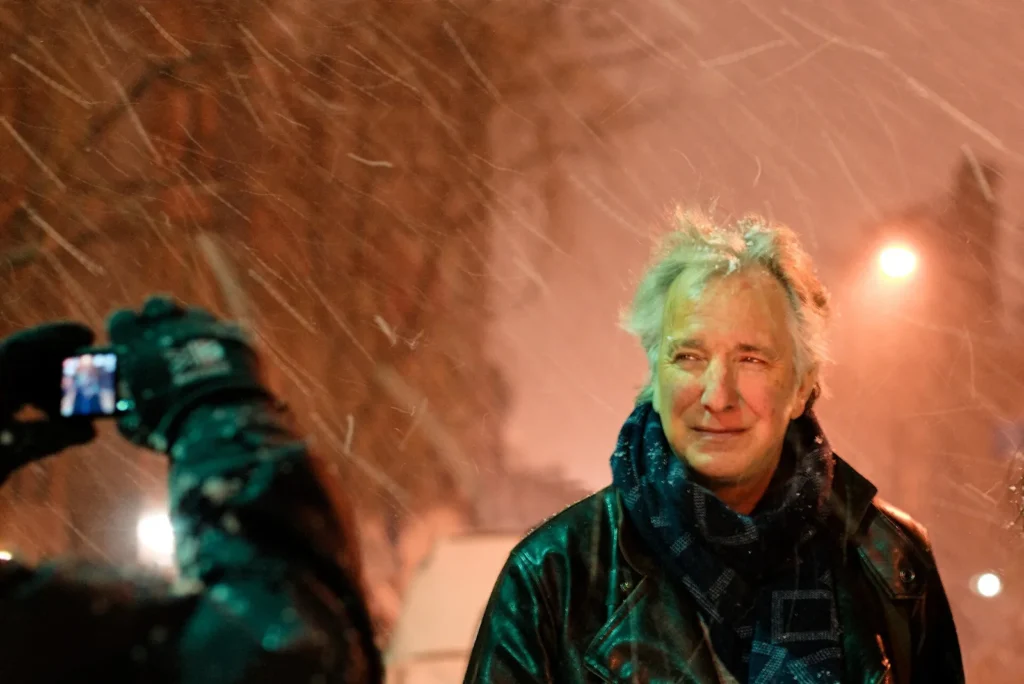
Yes. Alan Rickman is a well-known example. He worked as a graphic designer, started studying acting at 26 and made his film debut after 40, in Die Hard. Other actors also started or became known late. What it takes, at any age, is training and persistence.
Books to go deeper
-
Respect for Acting
Uta Hagen Uta Hagen's first book: identity, substitution, objects and the idea that acting is a craft you train every day. See it on Amazon -
My Life in Art
Konstantin Stanislavski Stanislavski's memoir: his amateur years, the Moscow Art Theatre and the mistakes his system grew out of. See it on Amazon -
True and False
David Mamet A short, provocative book: David Mamet argues for saying the words, playing the action and letting go of forced emotion. See it on Amazon
Each book takes you to Buscalibre or Amazon, depending on your country. Some of these are affiliate links: if you buy through them, Casting and Acting may earn a commission at no extra cost to you. As an Amazon Associate, Casting and Acting earns from qualifying purchases.
What did you think?



Comments
Join the conversation
Create a free account or log in to comment and earn +15 XP.